"A good way to understand the history and get to know about the Gehtto without fuss. Recommended."
Oskar Schindler's Enamel Factory, a branch of the Museum of Kraków
Oskar Schindler's Factory, Kraków
An independent guide to the museum known as Schindler's Factory, the Podgórze ghetto and Płaszów nearby. The museum sells its own tickets and runs its own guided tours directly; shown here is the most-reviewed guided option from an independent operator, Tours with Ewa, whose combined ticket covers the Factory, the Eagle Pharmacy and Pomorska Street within seven days.
From
$45
per person
- 4.5 / 5 1,854 Reviews
- 1.5 hrs Guided Inside the Museum
- 3 museums On the Memory Trail Ticket
At a Glance
What the Combined Ticket Covers
From the operator's own listing for the Memory Trail ticket.
In the Operator's Own Words
- This tour offers small group size and a more personal and comfortable visit
- We work only with licensed, passionate guides who truly know the history
- Filled with authentic stories and emotional insights you won’t hear elsewhere
- We treat each guest with warmth and respect. It's more than a tour.
What's Included
- Entry ticket to 3 museums: Schindler's Factory, Ghetto Pharmacy and Pomorska Street (Gestapo Headquarters) and temporary exhibition at Schindler's Factory Museum if available
- Live expert guide
- Headset (for groups of 10+ visitors)
Good to know: Important Information: · The start time of the tour is approximate and may change due to new regulations introduced by the museum as of January 1st, 2026. You may select a preferred time of day; however, we cannot guarantee entry at that exact time. The confirmed entry time will be provided later. · Tickets are personalized and issued in the name of each participant. Please provide the full name (first and last name) of every guest and ensure you bring a valid photo ID or passport with you on the day of the tour. Entry to the exhibition may be denied without proper identification. · Not Included: Hotel pickup and drop-off, Food and drinks, Gratuities
How to Visit Schindler's Factory
Four steps from choosing a ticket to leaving the museum, starting with the museum's own direct route.
Choose the Museum's Own Route, or a Guide
The museum sells direct tickets and runs its own English-language tours Tuesday to Sunday at 10:00, 12:00 and 16:00; Mondays 10:00-15:00 are free, same-day, at the ticket office only. A guided option from an independent operator adds historical context and, on some products, a walk into the former ghetto.
Book a Timed Entry Slot
Since the museum moved to personalised, ID-checked tickets, every visit — direct or guided — is assigned an entry window rather than a walk-up queue. "Skip-the-line" products skip the ticket counter, not this assigned time.
Arrive at ul. Lipowa 4, in Zabłocie
A tram or a short SKA train from Kraków's Old Town takes well under thirty minutes. Each product sets its own meeting point — some outside the museum gate, some depending on the option chosen at booking — so check the confirmation before you go.
Allow 1.5 to 2 Hours, More With a Ghetto Walk
The exhibition itself takes about 1.5 hours across three levels. Some guided products add roughly another hour on foot through the former ghetto in Podgórze. The museum is closed on the first Tuesday of every month.
Photo Gallery
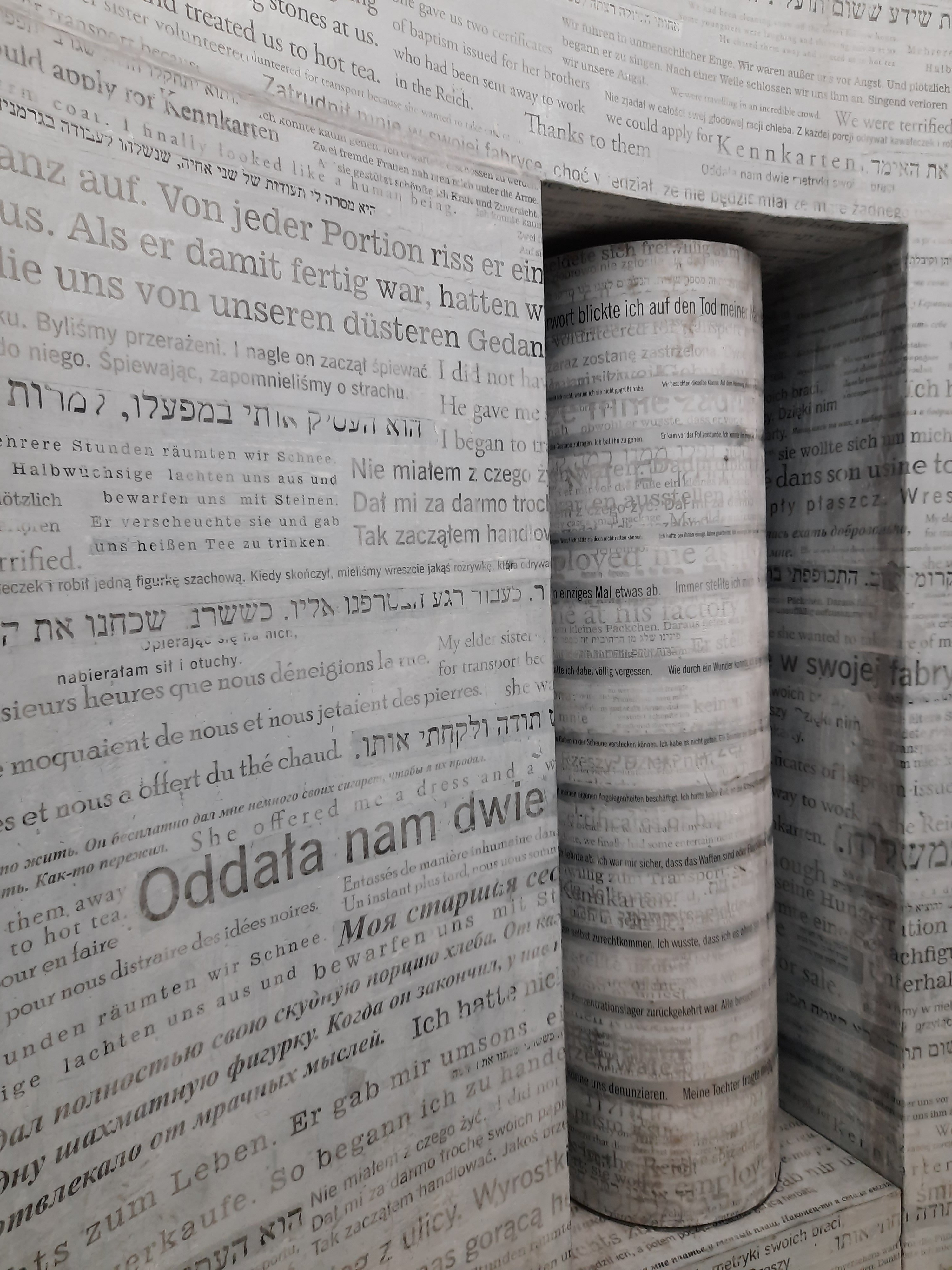
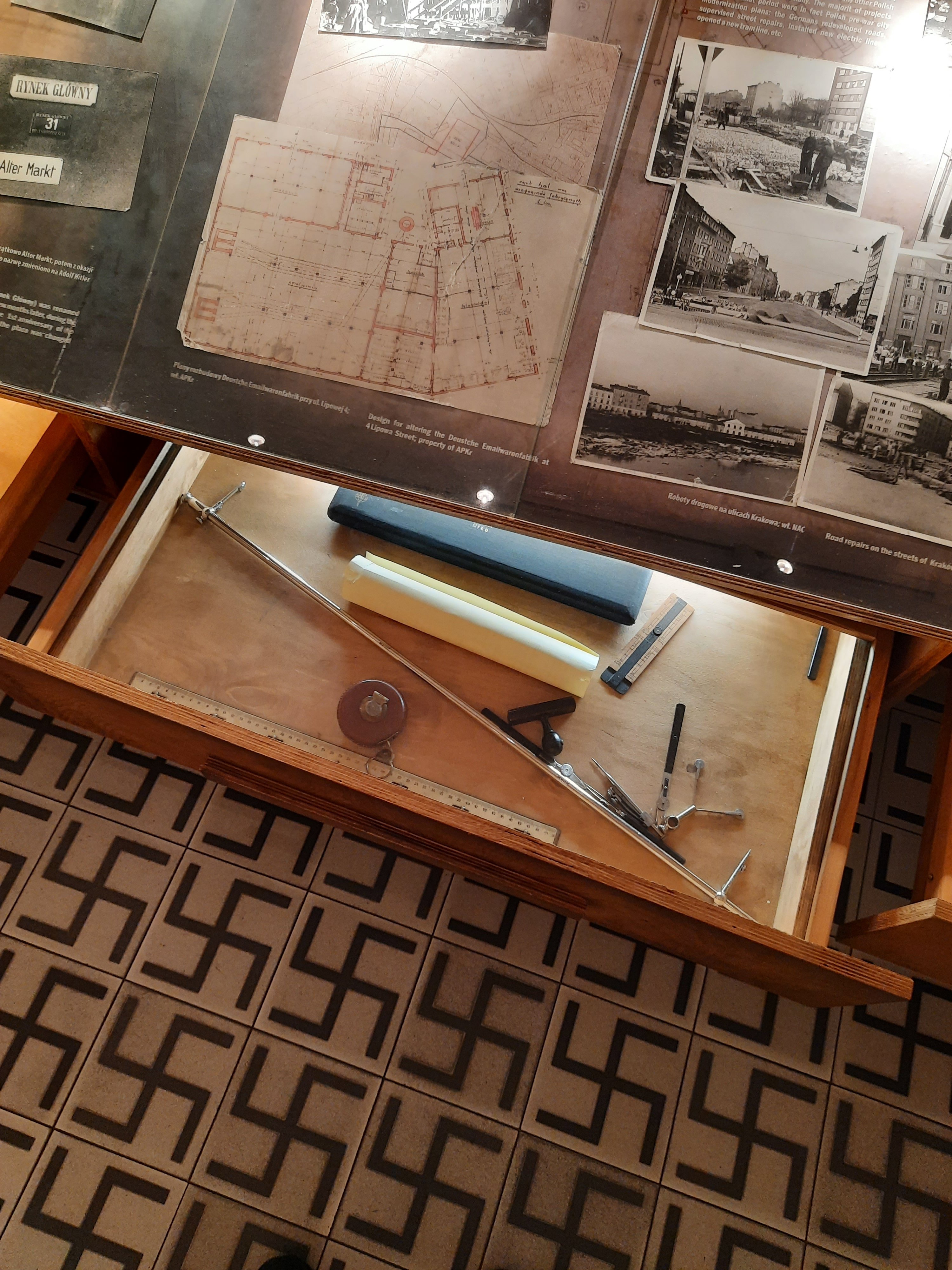
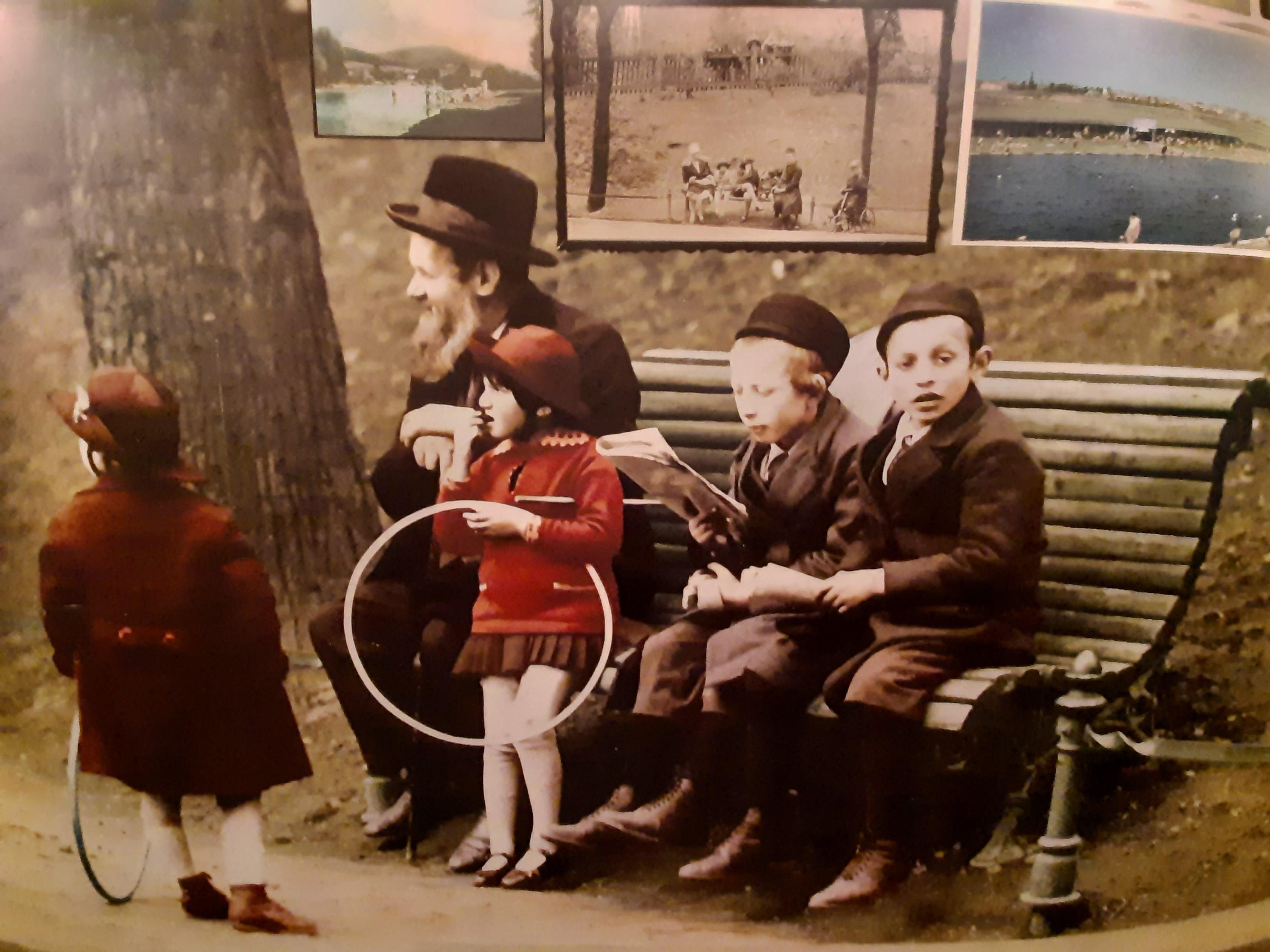
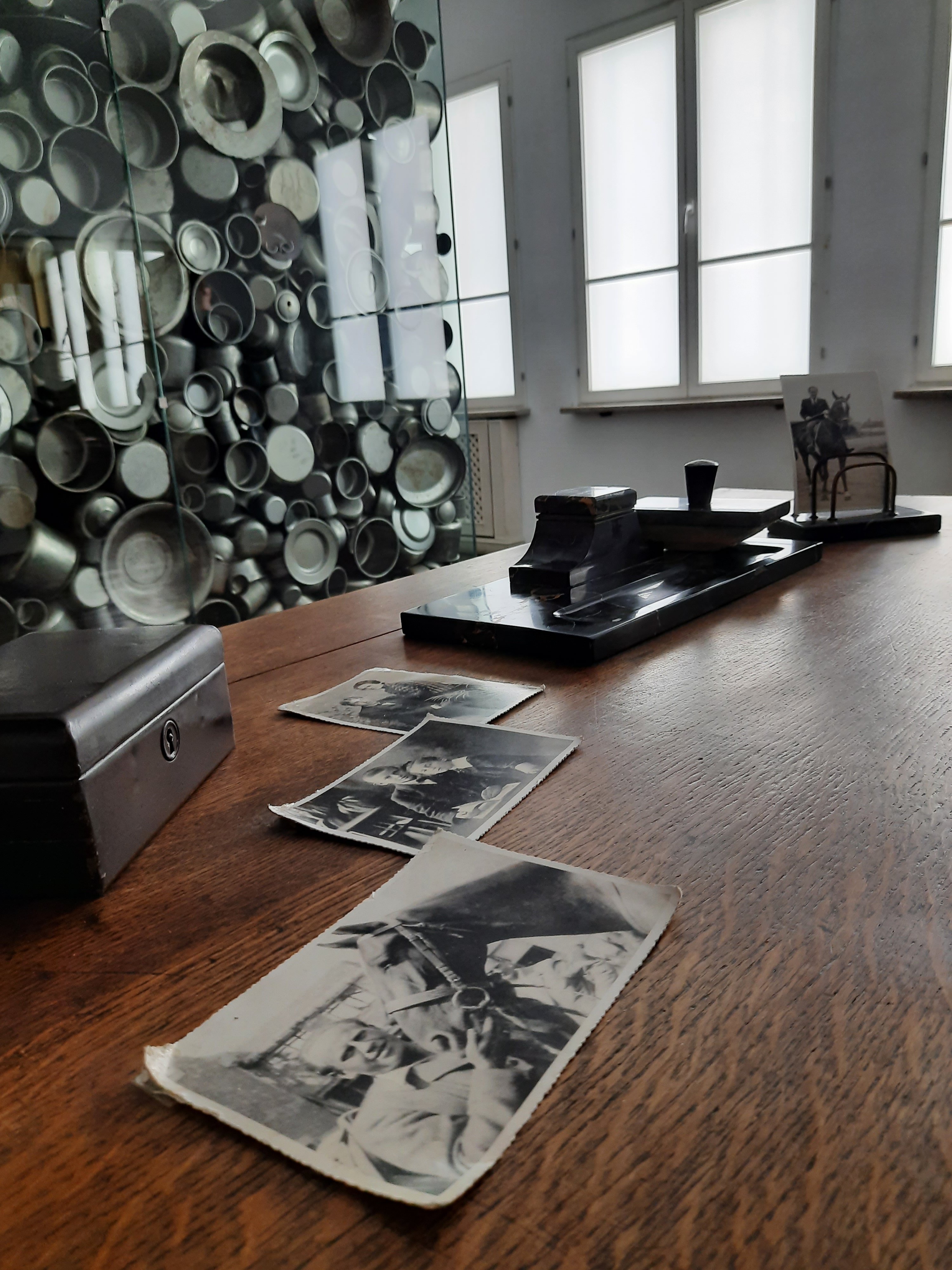
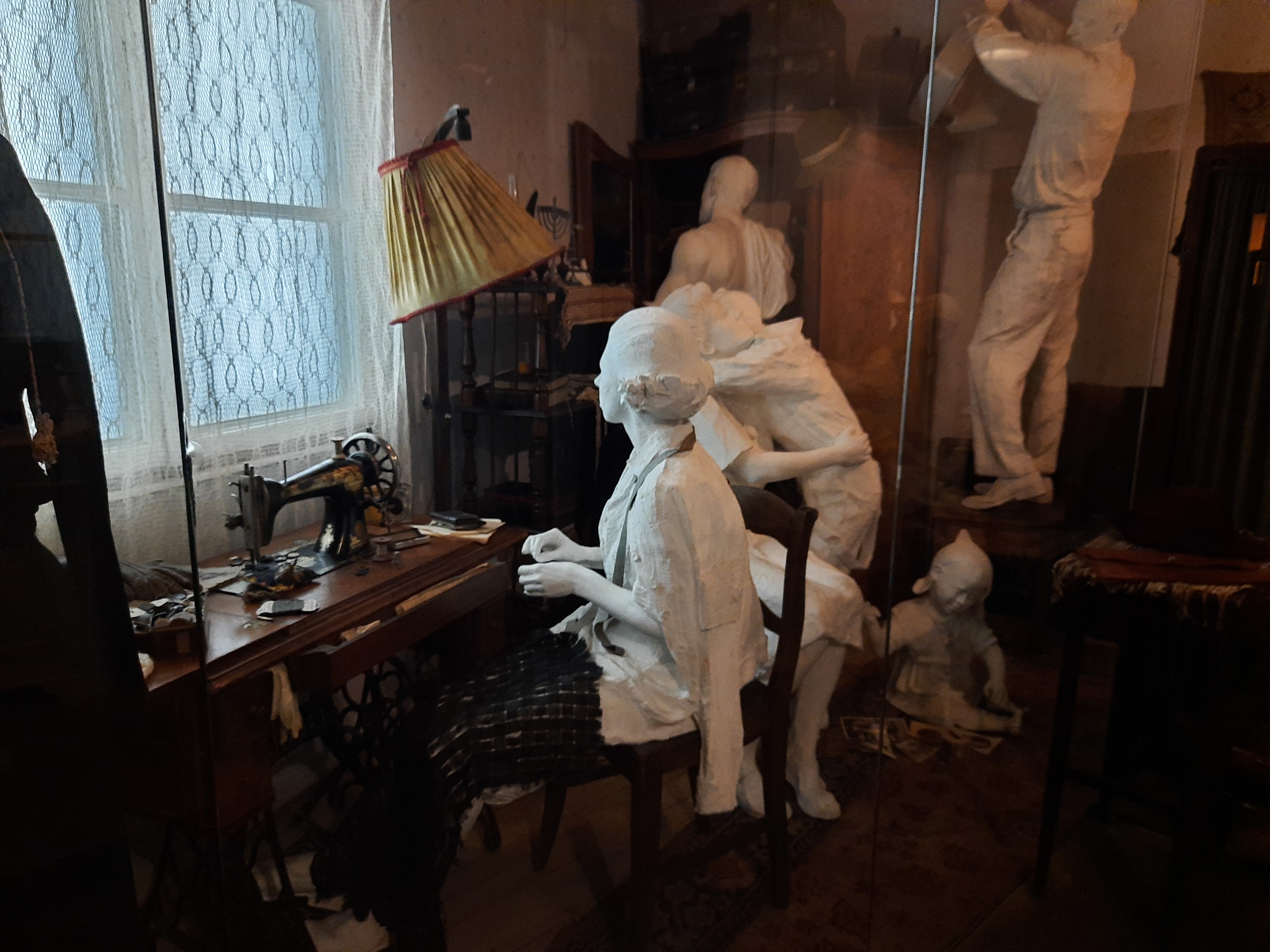
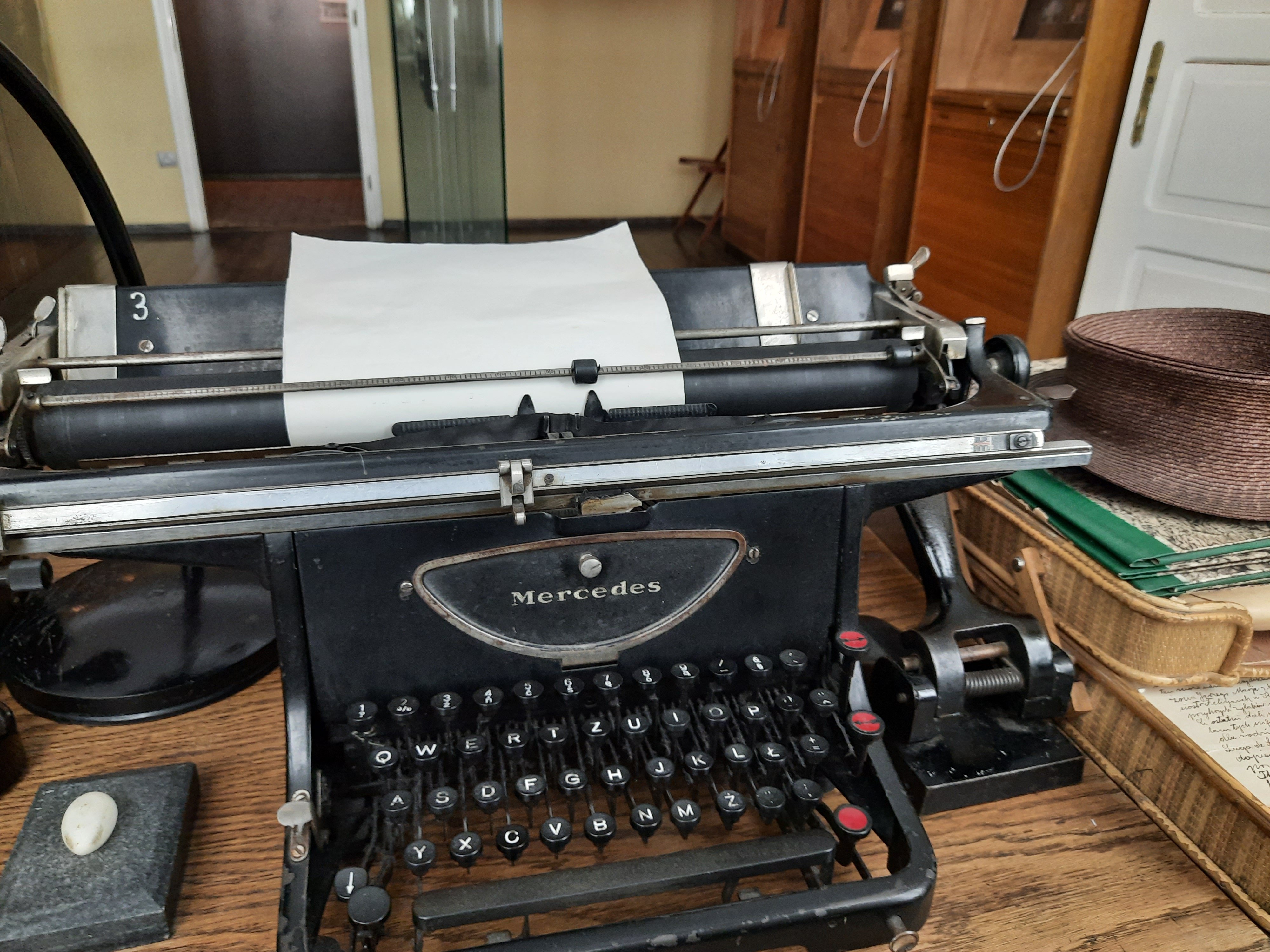
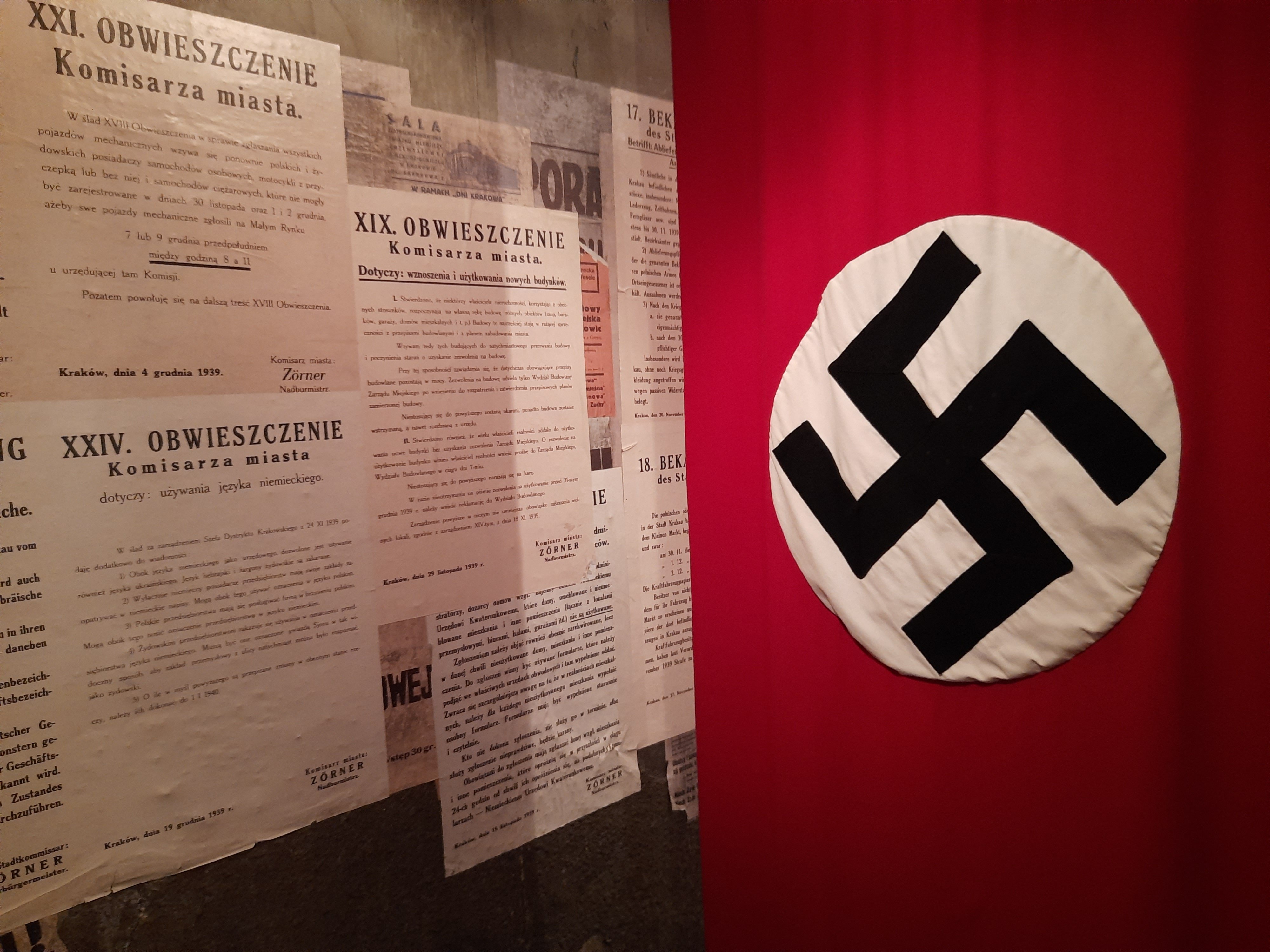
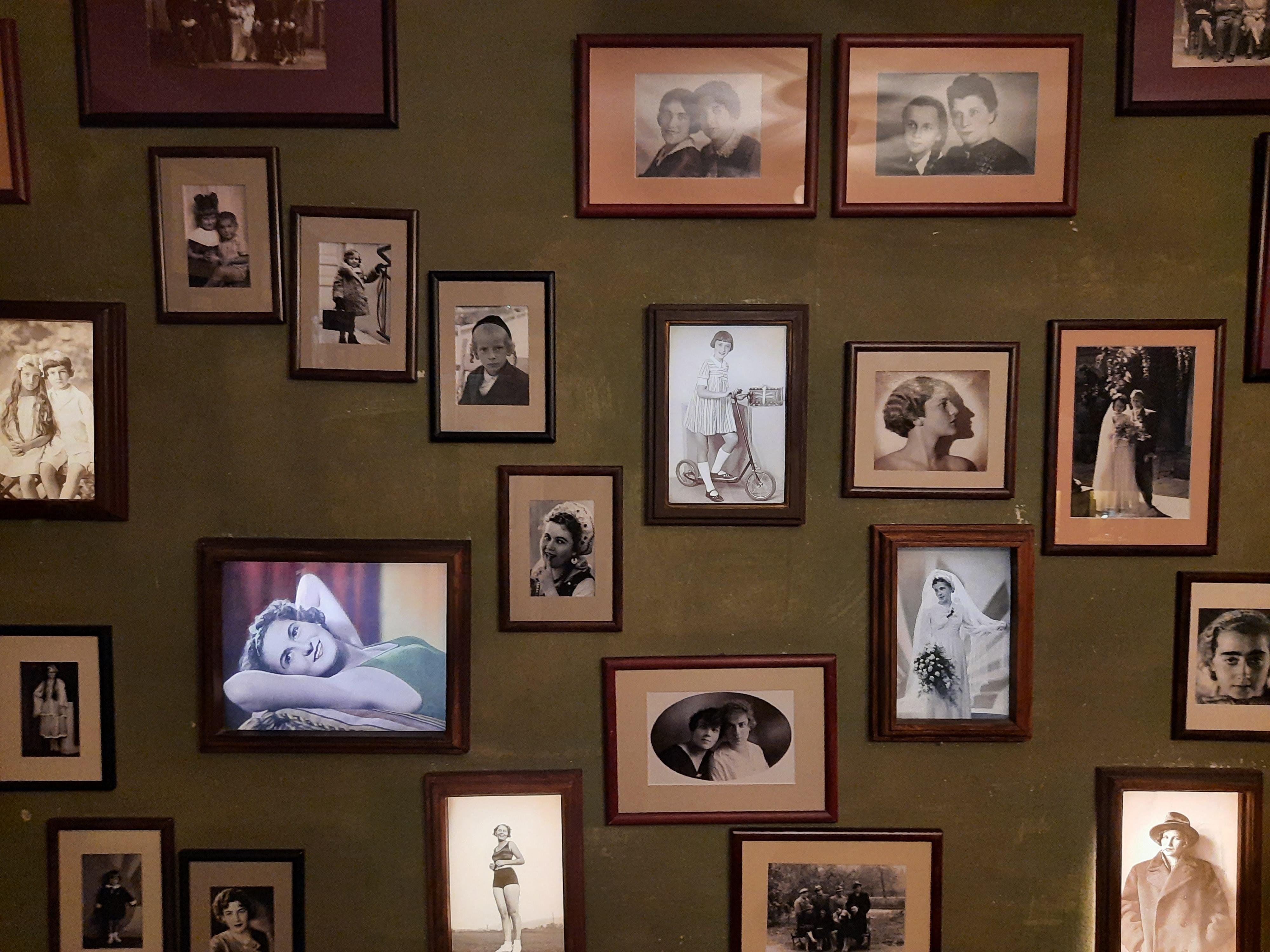
The Museum and Its Exhibition, in the Operator's Photos
Photographs from Tours with Ewa's own listing for the combined Memory Trail ticket.
Plan Your Visit
Check Availability & Prices
Select your preferred date and time. The listing does not offer free cancellation, so check your date before you book.
Three Guided Visits to Schindler's Factory, Side by Side
Tours with Ewa's combined ticket is the most reviewed of the seven guided options on this site; two smaller, highly rated alternatives are shown beside it. The museum's own direct tickets and English-language tours, described above, are not sold through this comparison.
| Feature | MOST REVIEWED Factory Tour & Skip-the-Line Ticket | Factory & Ghetto Small Group Tour | Factory Museum Small Group Tour |
|---|---|---|---|
| What You Pay | From about $45 per person | From about $50 per person | From about $50 per person |
| Museum Ticket | Included - the 3-museum Memory Trail combo (this Factory, the Eagle Pharmacy, Pomorska Street), each usable within 7 days | Included - Factory entry only | Included - Factory entry only |
| Ghetto Walk | Not included; some guides extend the visit informally into the neighbourhood, but it is not a guaranteed part of the product | Included, continuing on foot after the museum; the walk's own length is not stated | Not included |
| Time Inside the Museum | About 1.5 hours, guided; starting point depends on the option chosen at booking | About 1.5 hours, guided, before the ghetto walk | About 1.5 hours, guided, across the museum's three exhibition levels |
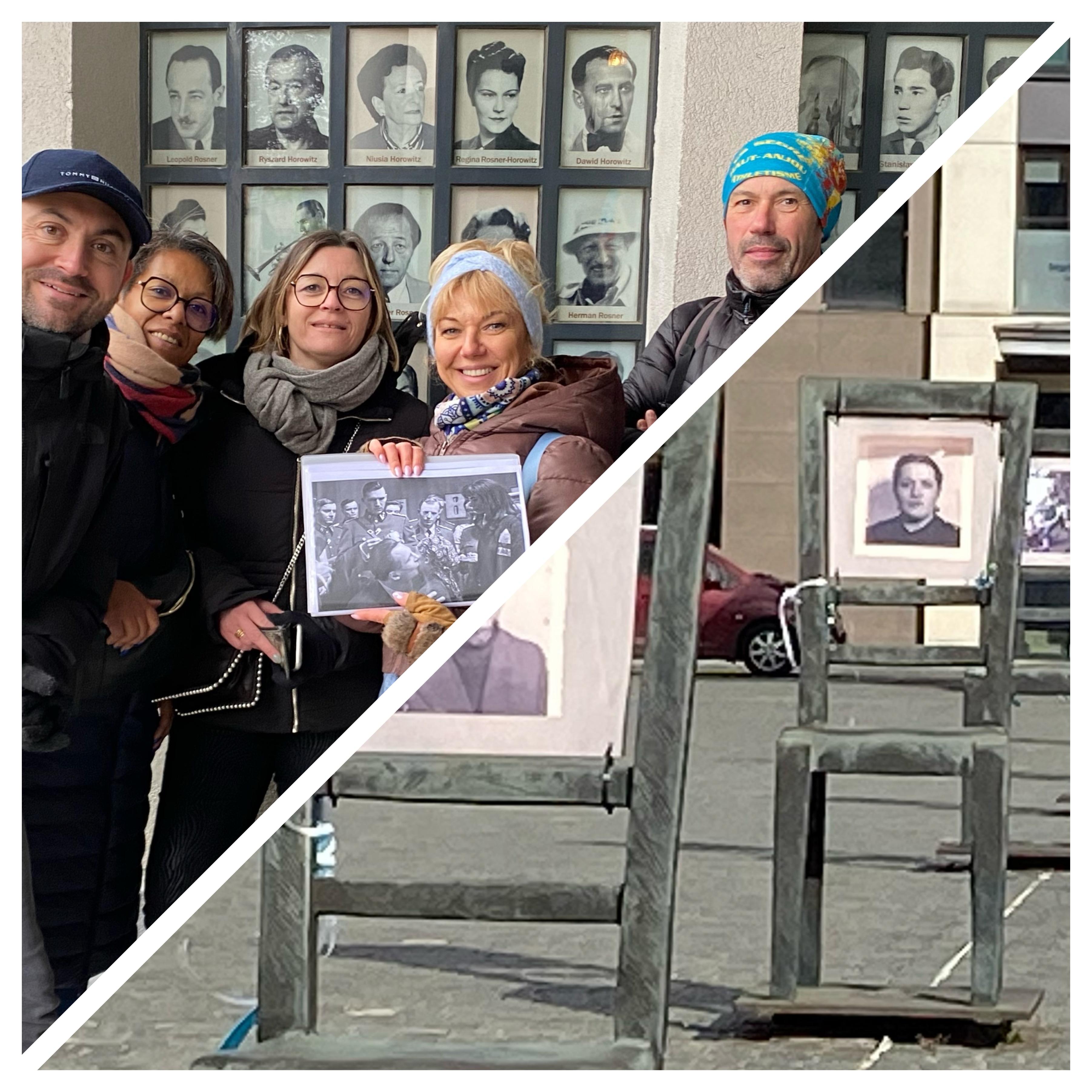
| Meeting Point | Depends on the option selected at booking | Outside the museum, by the photographs of survivors | In front of the museum; the guide carries a "Go Guide" sign |
| Group Size | Not stated; headsets used for groups of 10 or more | Up to 14 guests | Up to 14 guests |
| Language | English, German | Not stated | Not stated |
| Reviews | 4.5 / 5 from 1,854 reviews | 4.6 / 5 from 929 reviews | 4.9 / 5 from 246 reviews |
| Who Runs It | Tours with Ewa | Tours with Ewa | Krakow4you.pl |
| Best For | The widest combined ticket, and the most reviews of any option here | Visitors who also want a guided walk into the former ghetto | The highest rating here, in a small group |
| Check Availability | See This Tour | See This Tour |
Other Guided Options
Other Ways to Visit With a Guide
Six more guided options from the booking platform, from a history walk that does not enter the museum to a full day paired with Auschwitz-Birkenau. Titles are the operators' own; prices, ratings and review counts are the platform's.
 FACTORY PLUS GHETTO WALK
Krakow: Schindler's Factory & Ghetto Small Group Tour
A small-group museum visit, up to fourteen people, followed by a guided walk through the former Krakow Ghetto in Podgórze. Meets outside the museum, beside the photographs of survivors.
 HIGHEST RATED, 4.9
Krakow: Schindler's Factory Museum Small Group Guided Tour
A 1.5-hour guided walk through the museum's three exhibition levels with a local guide, in a group of up to fourteen. Covers the factory's administration building and the city's occupation history.
 NO MUSEUM TICKET NEEDED
Krakow: Schindler’s Story Guided Tour Kazimierz & Ghetto
A two-hour walk past wartime sites in Kazimierz and Podgórze with a licensed guide, offered in eight languages. Does not include entry to the Factory museum itself.
 OPTIONAL GHETTO WALK
Krakow: Schindler's Factory Tour with Optional Ghetto Walk
A guided museum visit of about ninety minutes, in English, with an optional extra hour's walk through the former ghetto in Podgórze. Group, private and museum-only options are offered separately.
 THREE HOURS, GHETTO INCLUDED
Krakow: Schindler's Factory & Jewish Ghetto Guided Tour
A three-hour combination of a guided museum visit and an hour's walk through the former Jewish ghetto, ending at Ghetto Heroes' Square. Not recommended for visitors with limited mobility.
 PAIRED WITH AUSCHWITZ-BIRKENAU
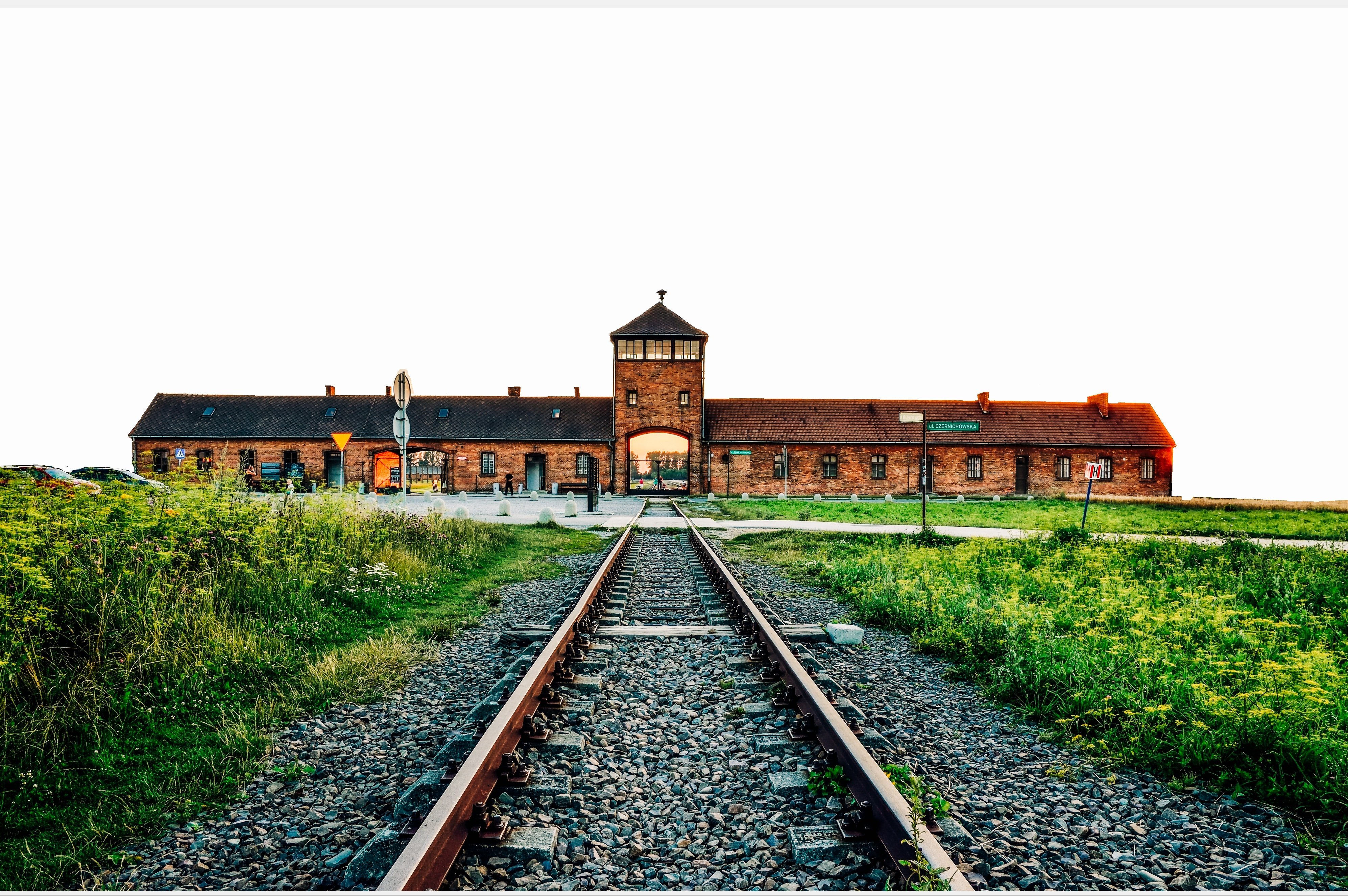
From Krakow: Auschwitz-Birkenau & Schindler's Factory Tour
An eight-hour day combining a guided Auschwitz-Birkenau tour with transport and a shorter, self-guided visit to the factory museum afterwards. Includes a documentary film during the drive.
An Independent Visitor's Guide
The Factory, Oskar Schindler and the City Around It
What the museum is and is not, the museum's own route before any guided option, who Schindler was, the ghetto and Kazimierz, and Płaszów nearby.
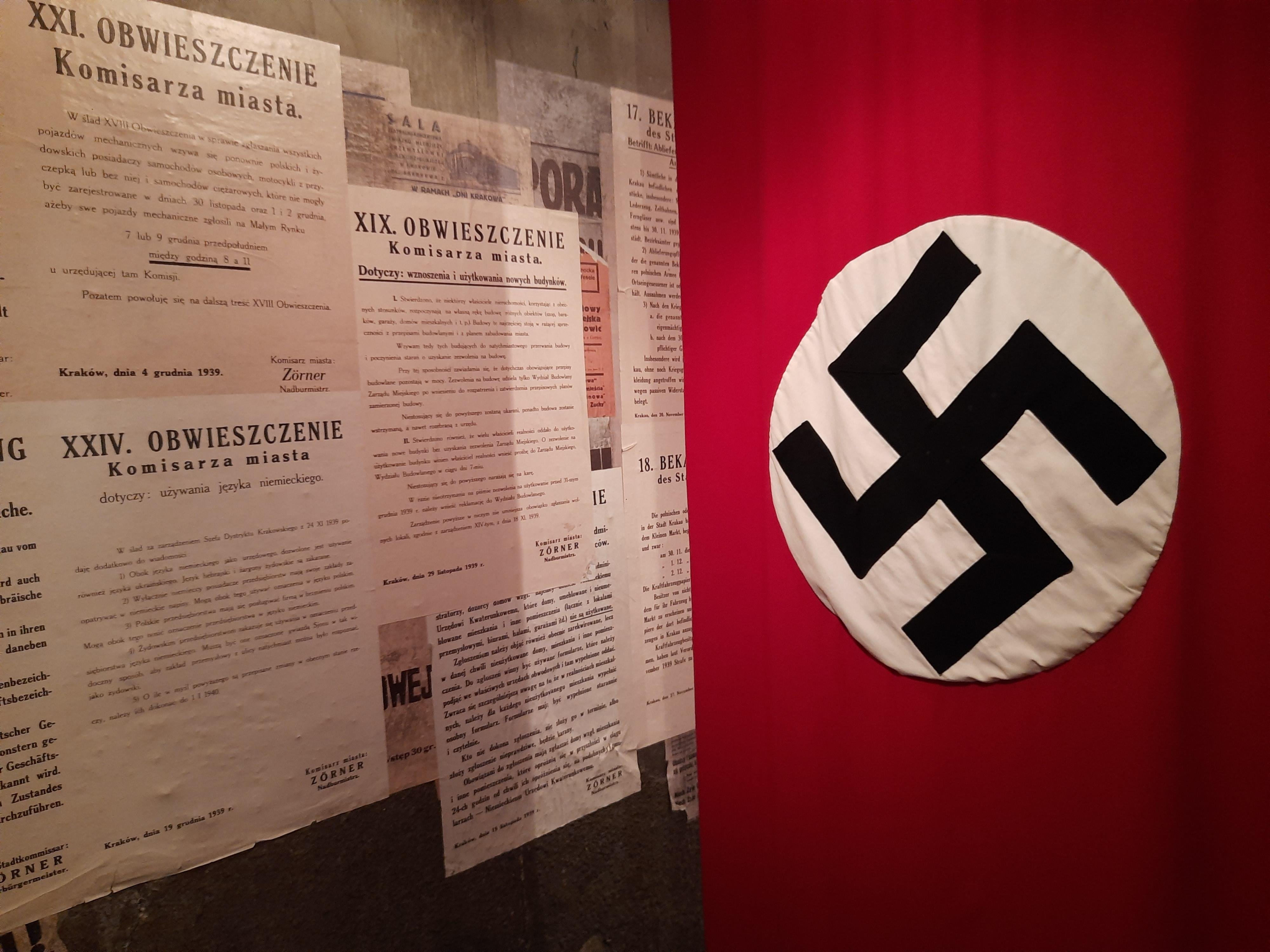
Oskar Schindler’s Enamel Factory sits at ul. Lipowa 4 in Zabłocie, a short tram ride from Kraków’s Old Town. It is a branch of the Museum of Kraków, and its permanent exhibition is called Kraków under Nazi Occupation 1939–1945, not Schindler’s List — and it is not a working factory. The museum occupies the former administration building; the production halls next door now house MOCAK, a contemporary art museum, and no manufacturing machinery from the enamelware works survives. Most of the roughly 45 rooms tell the story of the city under occupation. Schindler’s own office, and the names of the people he protected, appear near the end of the route.
The Museum’s Own Route Comes First
Start with the museum’s own route, because it is the simplest one. Tickets can be bought directly at muzeumkrakowa.pl or at the counter: 60 PLN normal, 45 PLN reduced, 120 PLN for a family of up to four. The museum runs its own English-language guided tours Tuesday to Sunday at 10:00, 12:00 and 16:00, and admission is free on Mondays between 10:00 and 15:00 — though free tickets are sold only that same day, at the ticket office, and cannot be booked ahead. A single Factory ticket also admits to two more branches on the same Memory Trail, the Eagle Pharmacy and Pomorska Street, within seven days of the date printed on it.
A guide is not required. What a guide adds is context for rooms that assume some prior knowledge, and in several cases a walk afterwards into the streets where the events happened: the former ghetto in Podgórze, Ghetto Heroes’ Square, the Eagle Pharmacy. The seven guided options on this site range from a ninety-minute museum visit to a two-hour history walk that never goes inside the museum, and one long day that pairs the Factory with Auschwitz-Birkenau.
Who Oskar Schindler Was
Oskar Schindler was a Sudeten German industrialist, born in 1908 in what was then Austria-Hungary and later Czechoslovakia. He worked for German military intelligence before the war, then took over a bankrupt Kraków enamelware works in 1939 and 1940, renaming it Deutsche Emailwarenfabrik. At its 1944 peak the factory employed about 1,750 people, roughly 1,000 of them Jewish, and Schindler built a forced-labour sub-camp on the factory grounds, where conditions were better than at the nearby Płaszów camp.
As the Eastern Front advanced, Schindler moved the factory and its workforce to Brünnlitz, a Sudeten village, in the autumn of 1944. A surviving prisoner roll from that camp, dated 18 April 1945, names 1,098 people — 801 men and 297 women. That is the most precise figure behind the rescue. The number usually quoted, 1,200, is carved into Schindler’s gravestone in Jerusalem as a memorial, not copied from any single document; historians count nine overlapping lists in total behind the story, not one. Schindler died in Germany in 1974, largely supported for the rest of his life by the people he had helped.
The Ghetto Was in Podgórze, Not Kazimierz
Kraków’s Jewish quarter for centuries was Kazimierz, across the river from the Old Town. The wartime ghetto was not there. From March 1941 the Germans forced the city’s Jews into a walled district in Podgórze, sealing in between 15,000 and 20,000 people behind barbed wire and stone. The confusion is usually traced to the film: Steven Spielberg’s 1993 Schindler’s List shot its ghetto-square scenes on Szeroka Street, in Kazimierz, because the real square had modern buildings by the 1990s — not because the ghetto was ever there.
That real square, Plac Bohaterów Getta, Ghetto Heroes’ Square, now holds a memorial of seventy oversized chairs by the architects Piotr Lewicki and Kazimierz Łatak, placed in 2005 to represent the furniture left behind during the deportations of 1942 and 1943. Nearby, at plac Bohaterów Getta 18, the Eagle Pharmacy was the only non-Jewish-run business allowed to keep operating inside the ghetto walls; its pharmacist, Tadeusz Pankiewicz, used it as a point of help and information, and it is now a small museum of its own. Two short stretches of the ghetto wall survive today: one on ul. Lwowska, and a lower piece behind a school on ul. Limanowskiego.
Płaszów, a Separate Visit
Płaszów, the forced-labour and concentration camp the Germans built nearby in Podgórze, is a different place from the Factory and is worth its own outing rather than a quick stop on the way to somewhere else. It was built on the site of two Jewish cemeteries, and Kraków’s own tourism portal records some 35,000 people held there over its existence, with an estimated 5,000 to 6,000 killed on site. Almost nothing of the camp’s buildings survives; what does still stand is Amon Göth’s actual villa, known today as the Red House — a private building, not open inside. The 1993 film used a different building, the Grey House, as the commandant’s screen residence, one of several points where the film’s geography and the historical record part ways. A free outdoor exhibition, open around the clock, has walked visitors through the site’s history since 2024.
Practical Facts, as of October 2026
The museum is open Tuesday to Sunday from 9:00 to 20:00 and Monday from 10:00 to 15:00, with free admission on Mondays; it is closed on the first Tuesday of every month. A temporary exhibition, Schindler’s Factory — Histories of the Place, opens on 16 October 2026 and runs to August 2027, at its own, lower prices. Anyone planning to add Auschwitz-Birkenau to the same trip should know that, since 1 March 2026, every visitor there must book a timed entry slot online in advance; no tickets are sold on-site any more, which makes same-day combinations harder to improvise than they once were. schindlerfactorytickets.com covers the museum’s own ticket mechanics — prices, the free Monday, exact hours — in more detail.
Inside the museum, the usual rules apply: no food or drink, no smoking, no phone calls, and no flash photography. Photography for commercial purposes needs the museum’s own permission.
Six Guides to Plan Around
Six guides on this site go deeper into specific questions: who Oskar Schindler was and what the numbers behind the rescue actually show; what is inside the museum’s exhibition; the Kraków ghetto’s real location in Podgórze; visiting Płaszów; getting to the Factory from the Old Town; and whether a guided visit is worth it, including the Auschwitz question.
Guest Reviews
What Visitors Say
4.5/5
from 1,854 reviews
"Schindlers factory is a must do and see whilst in Krakow. Would highly recommend this tour and especially our guide yo everyone. She was friendly, knowledgeable and took everyone on an unexpected walking tour of the ghetto and Jewish quarter."
"the guide was very knowledgeable. we maybe didnt see all the rooms but didnt feel like anything was missed out. After the tour the guide took us on a walk to see the ghetto wall and the pharmacy and the square of hero's which I didnt realise was included but it was a very great addition to the tour ."
"Ana was the most knowledgeable guide and the best teacher we could have had. Consider yourself fortunate if she is your guide."
"Great tour with good information and a very enthusiastic guide"
"Our tour of Schindler’s Factory was fabulous. Ana our guide was knowledgeable and accommodating. We learned a lot today and highly recommend this tour."
"Very informative and knowledgeable guide, excellent tour."
"Everything went as planned. Received phone contact an hour prior to confirm appointment. Entry was on time and guide was exceptional."
Read all 1,854 verified reviews
See All ReviewsBook a Guided Visit to Schindler's Factory
Tours with Ewa's combined Memory Trail ticket covers the Factory, the Eagle Pharmacy and Pomorska Street with a live guide, rated 4.5 from 1,854 reviews. Visitors who prefer no guide can buy directly from the museum and take its own English-language tour instead. Starting from $45 per person.
Check AvailabilityCan't Make These Dates?
Browse More Available Options
More tours nearby from the booking platform. Check each one's cancellation terms before you book.
Schindler's Factory FAQ
What visitors ask before a visit, answered first. Facts and prices are dated October 2026 and worth confirming before you travel.
Yes, mainly for the city's story under Nazi occupation rather than for the factory itself. The building holds no manufacturing machinery, and Oskar Schindler's own story is a late chapter in a larger, roughly 45-room exhibition about wartime Kraków. Two of the guided visits compared on this page alone carry more than 1,850 and 900 reviews. Is Schindler's Factory worth visiting?
A Sudeten German industrialist who took over a bankrupt Kraków enamelware factory in 1939 and 1940 and employed roughly a thousand Jewish forced labourers at its 1944 peak. He worked through bribery, falsified paperwork and personal risk to keep them out of the camps, moved his factory and workforce to Brünnlitz in late 1944, and died in Germany in 1974. Who was Oskar Schindler?
The most precise figure is 1,098 names on a Brünnlitz prisoner list dated 18 April 1945 - 801 men and 297 women. The commonly quoted figure of 1,200 is the number carved into Schindler's gravestone in Jerusalem as a memorial, not a document's headcount; historians count nine overlapping lists behind the story in total. Read the fuller account
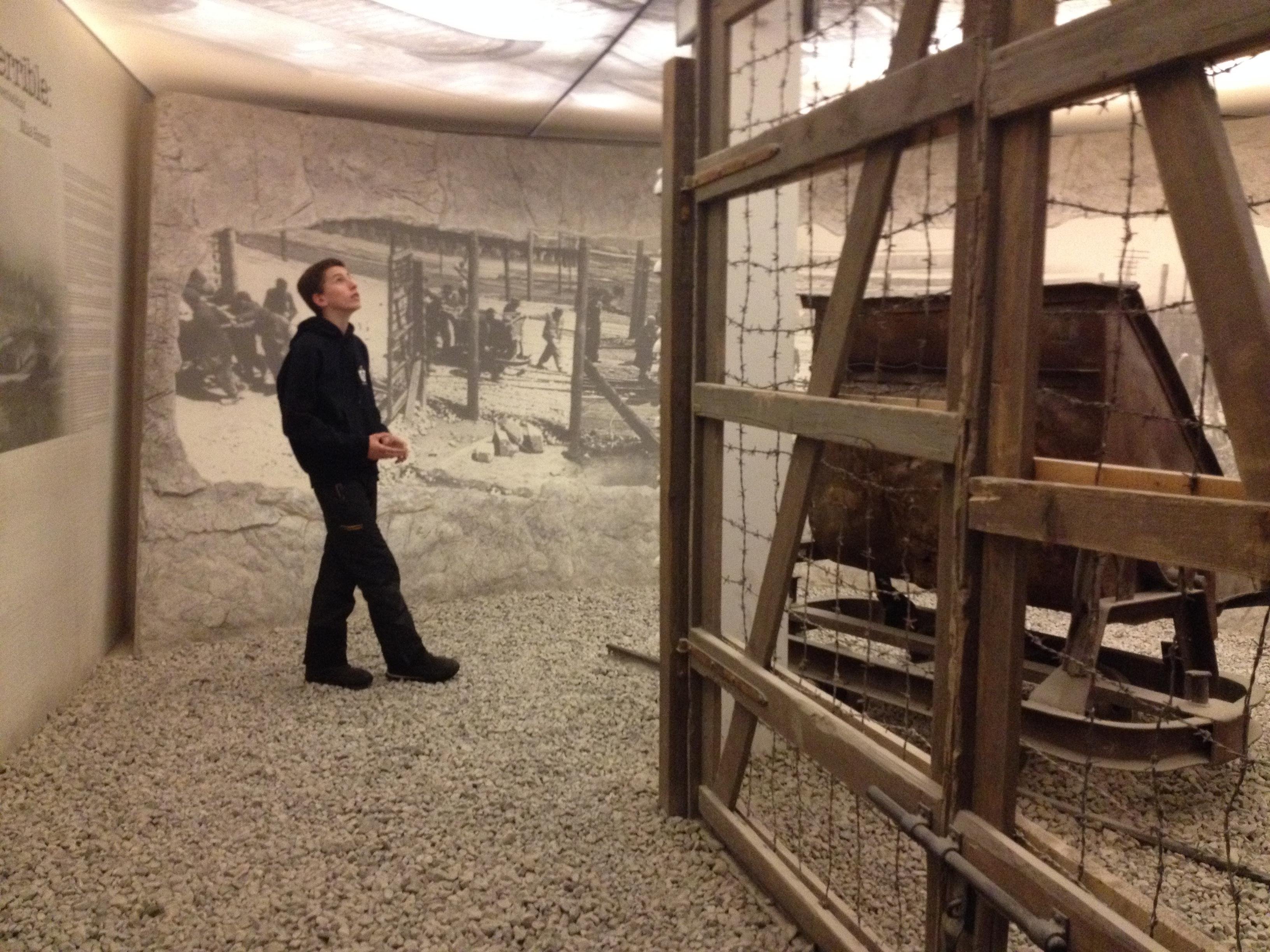
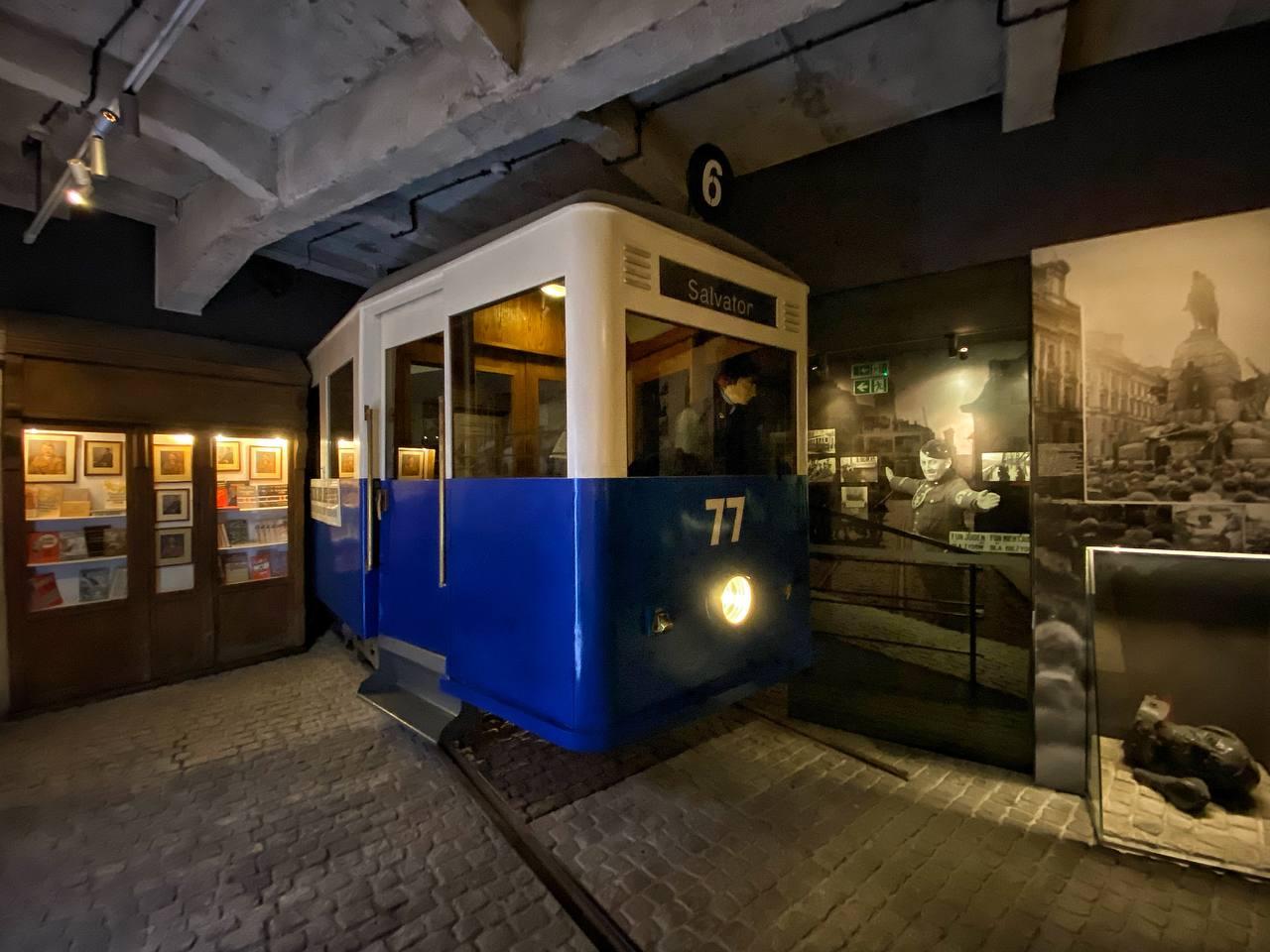
A roughly 45-room exhibition, Kraków under Nazi Occupation 1939-1945, across three levels of the building. It covers the city's pre-war life, the 1939 invasion, occupation, the ghetto and deportation, with reconstructed streets, archival film and documents; Schindler's own office and a list of names he protected appear near the end. What is in the exhibition?
The address and the administration building are original; the production halls are not part of the museum. There is no surviving manufacturing machinery, and the halls where the enamelware was actually made now house MOCAK, a contemporary art museum, next door. More on the exhibition
About 1.5 to 2 hours for the exhibition itself. Add roughly another hour if the guided visit you choose includes a walk through the former ghetto, and allow more again if you are also visiting the Eagle Pharmacy or Pomorska Street on the same combined ticket. Compare visit lengths
A tram, or a short SKA commuter train to Kraków Zabłocie, both take well under thirty minutes. Walking from the Main Square takes about 25 minutes; from Kazimierz, allow 15 to 30 minutes depending on the route. Getting to Schindler's Factory
No. The wartime ghetto was in Podgórze, across the river from Kazimierz. The two are often confused because Steven Spielberg filmed the ghetto scenes in Kazimierz, where the older streetscape had survived, not because the ghetto was ever there. The ghetto's real location
Yes, and it is sold commercially, but budget a genuinely demanding eight-hour day. Since 1 March 2026 every Auschwitz-Birkenau visitor must book a timed slot online in advance, and the Factory leg of a combined day typically becomes a short, self-guided visit at the end rather than a paced one. Pairing it with Auschwitz
Tuesday to Sunday, 9:00 to 20:00; Monday 10:00 to 15:00, with free admission that morning. The museum is closed on the first Tuesday of every month, and last entry is 1.5 hours before closing. Figures as of October 2026; confirm before you travel. See the full practical details
Only on Mondays, 10:00 to 15:00, and only at the ticket office on the day. Free-admission tickets cannot be booked online in advance; every other day, normal entry is 60 PLN, with reduced and family rates available. Ticket prices and hours
Accounts conflict, so confirm directly with the museum before you plan around it. One commercial site claims full step-free access; a detailed independent visit report describes narrow corridors, uneven floors and at least one staircase with no lift. More on visiting
Still have questions? Email us at info@schindler-factory.com